Optimize Your Hydration for Peak Male Performance
Discover evidence-based hydration guidelines tailored for men's health. Learn how proper water intake supports energy, recovery, and overall vitality throughout your day.

The information on this site is for educational purposes only and does not constitute medical advice. Always consult a qualified healthcare professional before making health decisions.
Why Water Matters for Men's Health
Water is fundamental to every biological process. From muscle function to cognitive performance, hydration influences how your body performs and recovers.

Enhanced Physical Performance
Proper hydration supports muscle endurance, strength output, and efficient oxygen delivery during workouts and daily activities.
Improved Mental Clarity
Even mild dehydration can impair focus, memory, and decision-making. Maintaining hydration keeps your mind sharp throughout the day.
Better Recovery
Hydration accelerates nutrient transport and waste removal, speeding up recovery after exercise and reducing fatigue.
Key Hydration Benefits
Understanding how hydration directly impacts your body helps you build sustainable, science-backed habits.
Energy & Stamina
Water transports oxygen to your muscles and removes metabolic waste. Staying hydrated maintains energy levels and delays fatigue during physical activities.
Temperature Regulation
Adequate water intake helps your body regulate core temperature through perspiration. This is especially important during exercise and in warm environments.
Nutrient Absorption
Water is essential for dissolving and transporting vitamins, minerals, and other nutrients to cells where they're needed for growth and repair.
Immune Function
Water supports the production of lymph fluid, which carries immune cells throughout your body. Proper hydration strengthens your body's natural defenses.
Muscle Function
Muscles are approximately 75% water. Hydration maintains muscle elasticity, strength, and capacity for contraction and recovery.
Waste Elimination
Water facilitates the kidneys' ability to filter metabolic waste and eliminate it through urine. This detoxification process is vital for overall wellness.
Daily Hydration Guidelines
Follow these science-backed steps to establish a sustainable hydration routine tailored to your lifestyle and needs.
Start Your Day with Water
Drink 16-20 ounces of water within the first hour of waking. This rehydrates your body after overnight sleep and jumpstarts metabolism and cognitive function.
Drink Consistently Throughout the Day
Aim for 8-10 glasses of water daily, spaced evenly across waking hours. Set reminders or use a water bottle marked with time intervals to stay on track.
Increase Intake During Activity
During exercise or physical work, drink an additional 7-10 ounces every 10-20 minutes. Post-exercise, consume 16-24 ounces for every pound of body weight lost.
Monitor Your Hydration Status
Check urine color—pale yellow indicates good hydration, dark yellow suggests dehydration. Adjust your intake accordingly and listen to thirst cues, especially in warm weather.
Ready to Master Your Hydration?
Discover more detailed articles, hydration calculators, and personalized guidelines from our editorial team. Learn how to optimize water intake for your unique lifestyle.
Featured Editorial Content
Dive deeper into hydration science with our latest articles, research insights, and practical guides for optimal male wellness.

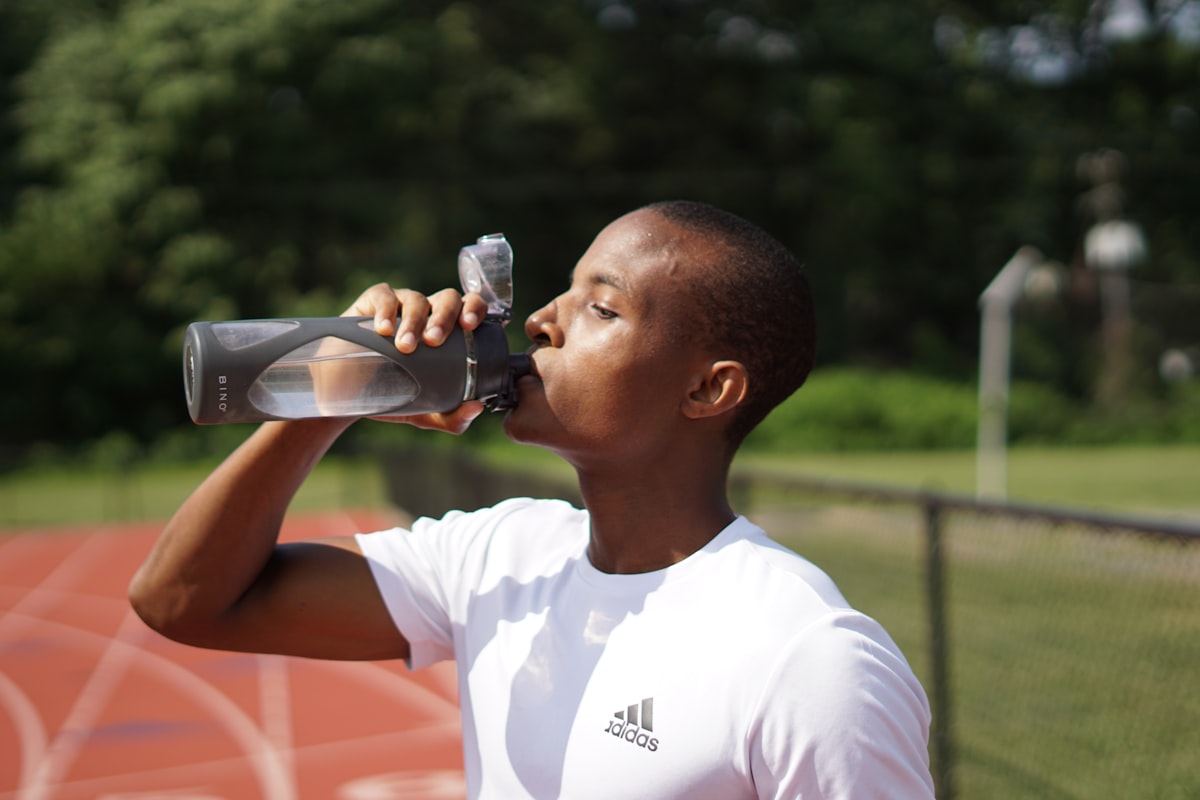
Hydration and Athletic Performance
Learn how proper water intake directly impacts strength, endurance, and recovery during training. Discover the science behind hydration-performance relationships.
Recognizing Dehydration Signs
Understand early warning signs of dehydration beyond thirst. From cognitive changes to physical symptoms, learn what your body is telling you.
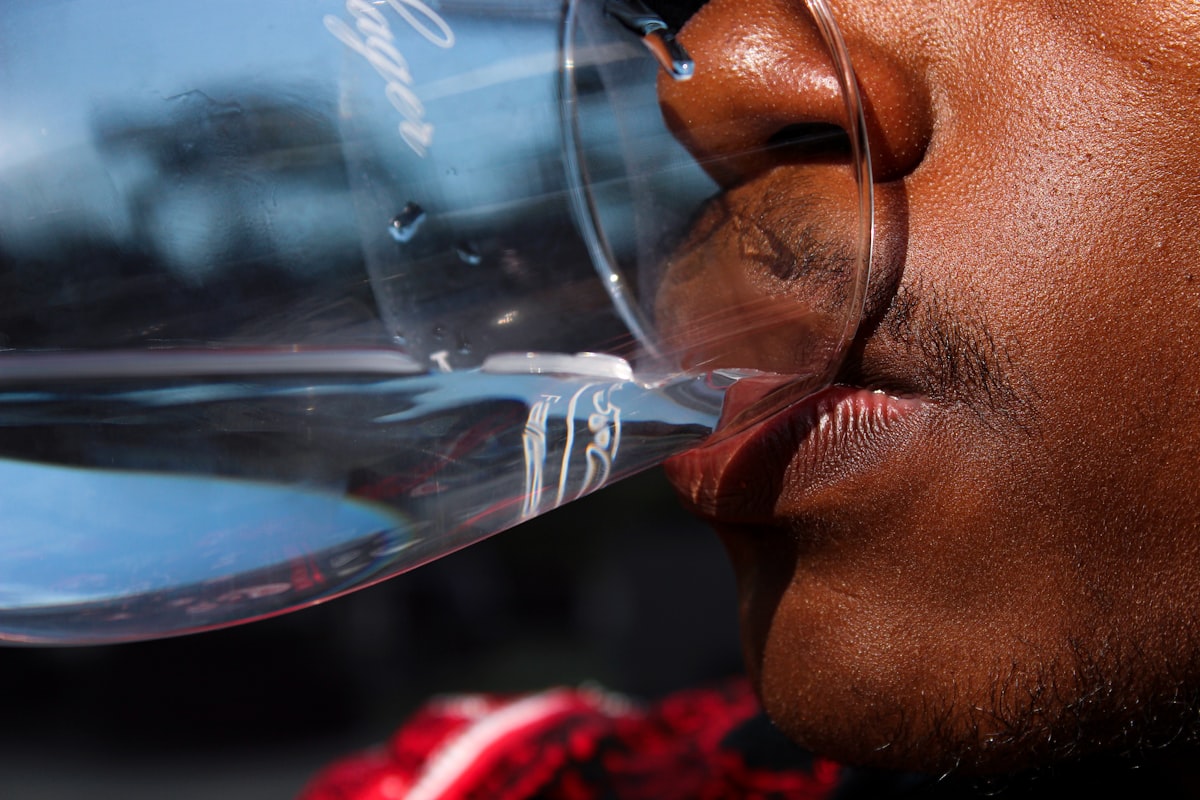
Seasonal Hydration Adjustments
Water needs change with seasons and climate. Explore how to adjust your hydration strategy for summer heat, winter dry air, and everything in between.
Real Results from Men Like You
Discover how implementing science-backed hydration guidelines has transformed the health and performance of real people.
"After reading the Nutristrengmen hydration guide, I started drinking water consistently throughout the day instead of waiting until I was thirsty. Within two weeks, my gym performance improved dramatically. I can now complete my workouts with better endurance, and my recovery time has shortened. This simple change has made a real difference in my training results."
Ari Rahman
Yogyakarta
"I never realized how much dehydration was affecting my work focus. The article on hydration and mental clarity opened my eyes. Now I use the time-interval water bottle tracking method mentioned in the guide. My afternoon brain fog has disappeared, my productivity is higher, and I feel more alert throughout the day. Highly informative content."
Budi Santoso
Jakarta
"As someone who travels frequently for work, maintaining hydration was challenging. The seasonal and climate adjustment section really helped me develop a flexible strategy. I now understand how to adjust my water intake based on location and weather. My energy levels are more consistent, even when traveling between hot and cool environments."
Doni Wijaya
Surabaya
"I used to ignore hydration during my daily work routine. The Nutristrengmen guidelines helped me understand that proper hydration is just as important as nutrition and sleep. I implemented the morning water intake suggestion and increased my daily water consumption. My skin looks better, my energy is consistently high, and I experience fewer afternoon headaches."
Eka Kusuma
Bandung
Common Hydration Questions
Get answers to frequently asked questions about hydration, water intake, and maintaining optimal wellness through proper fluid balance.
A general guideline is to drink 8-10 glasses (64-80 ounces) of water daily, but individual needs vary based on activity level, climate, body weight, and health status. A more personalized approach is to drink about half your body weight in ounces. For example, a 180-pound man should drink around 90 ounces daily. Adjust upward if you exercise regularly or live in a hot climate, and always listen to your thirst cues.
Yes, excessive water consumption in a short time can dilute electrolytes in your body, though this is rare in normal circumstances. Most people regulate water intake naturally through thirst mechanisms. For athletic performance, aim for consistent hydration rather than excessive amounts at once. If you exercise intensely for over an hour, include electrolyte drinks alongside water to maintain mineral balance. Under normal conditions, your kidneys effectively regulate water balance.
The easiest method is to check your urine color. Pale yellow or nearly clear urine indicates good hydration, while dark yellow suggests you need to drink more. Thirst is also a reliable indicator—don't ignore it. Other signs of adequate hydration include normal energy levels, clear thinking, and moist lips and mouth. During exercise, monitor your body weight; losing more than 2% body weight in fluids indicates inadequate hydration during that session.
Beverages containing caffeine like coffee and tea do contribute to hydration, but they have a mild diuretic effect. While moderate consumption (up to 400mg caffeine daily) contributes to fluid intake, water remains the best choice. Sugary drinks and alcohol can increase fluid loss, so they shouldn't be your primary hydration sources. For optimal hydration, prioritize plain water while enjoying moderate amounts of other beverages as part of a balanced daily routine.
All three timing periods are important. Before exercise, drink 16-20 ounces about 2-3 hours beforehand, then another 8 ounces 15-20 minutes before starting. During exercise lasting over 60 minutes, drink 7-10 ounces every 10-20 minutes. After exercise, consume 16-24 ounces for every pound of body weight lost during the session. This three-phase approach ensures peak performance, prevents dehydration during activity, and optimizes recovery afterward.
Yes, individual factors significantly influence hydration requirements. Older adults may have a diminished thirst sensation and should be more intentional about drinking water. Men with certain health considerations, those taking specific medications, or individuals in high-altitude or hot-climate environments require increased fluid intake. Athletes and those engaged in physically demanding work need more water than sedentary individuals. Body composition, metabolism, and overall fitness level also affect hydration needs. Personalize your approach based on your specific circumstances and consult resources tailored to your situation.
Stay Updated with Hydration Insights
Subscribe to our editorial newsletter for the latest articles, research updates, and wellness guidance delivered to your inbox.
We respect your privacy. Unsubscribe anytime.
Why Choose Nutristrengmen
Our editorial team is dedicated to delivering science-backed, practical hydration and wellness information for modern men.
Evidence-Based Content
All our articles are grounded in peer-reviewed research and scientific best practices. We prioritize accuracy and credibility in every piece we publish.
Practical Guidance
We translate complex science into actionable steps you can implement immediately. Real-world applications, not just theory.
Community Focus
We serve the Indonesian health-conscious community with content relevant to local climates, lifestyles, and wellness priorities.
Expert Editorial Team
Our writers and researchers bring diverse expertise in nutrition, exercise science, and male wellness to every article.
Transparent & Trustworthy
We clearly disclose sources, limitations, and encourage critical thinking. Your trust is our most valuable asset.
Continuous Learning
Science evolves, and so do we. We update content regularly to reflect the latest research and evidence.
What Our Community Says
"Nutristrengmen helped me understand nutrition science without the hype. Finally, evidence-based information I can trust!"
Sarah M.
Fitness Enthusiast
"The balanced perspective here is refreshing. No extreme claims, just solid science and practical advice."
James T.
Health Professional
"I appreciate how they explain the nuance. Nutrition isn't black and white, and Nutristrengmen gets that."
Emma R.
Wellness Coach